How We Grow Fruit Without Chemicals in Dry Land
Anantapur is one of the driest districts in India. Growing fruit here without chemicals is not just a nice idea — it takes daily choices about water, soil and patience. Here is honestly how we do it.
Key takeaways
- Drip irrigation sends water to the root, not into the air.
- Mulching keeps the soil cool and moist through summer.
- Compost and cow-based inputs replace chemical fertiliser.
- Picking fruit only after you order means no wax or preservatives are needed.
Water is the whole story here
We run drip lines to every plant. Compared to flood irrigation, drip uses much less water and keeps the soil surface dry, which also means fewer weeds. In a district that gets under 600 mm of rain a year, this makes the difference between a good season and a bad one.
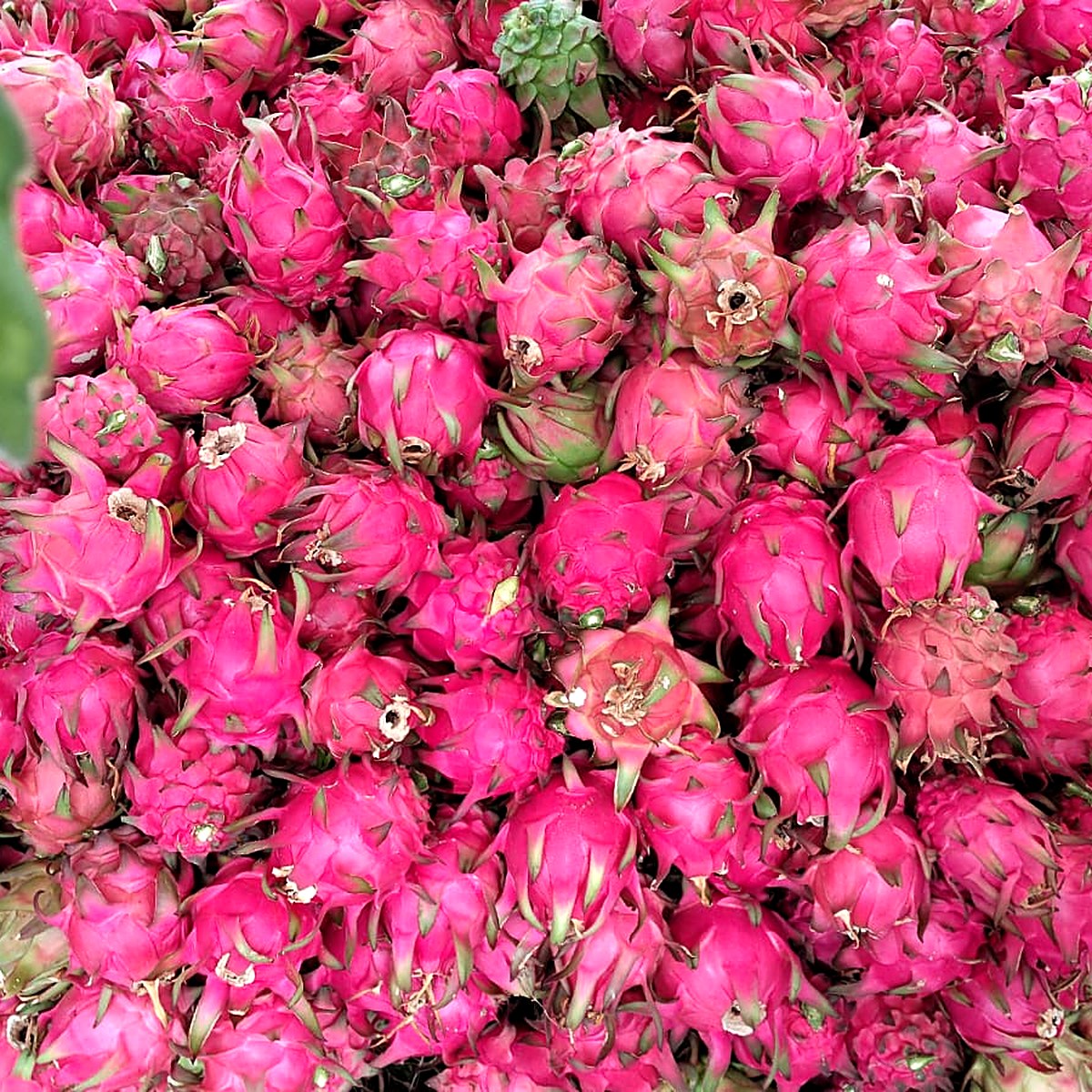
Dragon fruit helps too: it is a cactus. It stores water in its stems and needs far less than most fruit crops.
Soil first, plant second
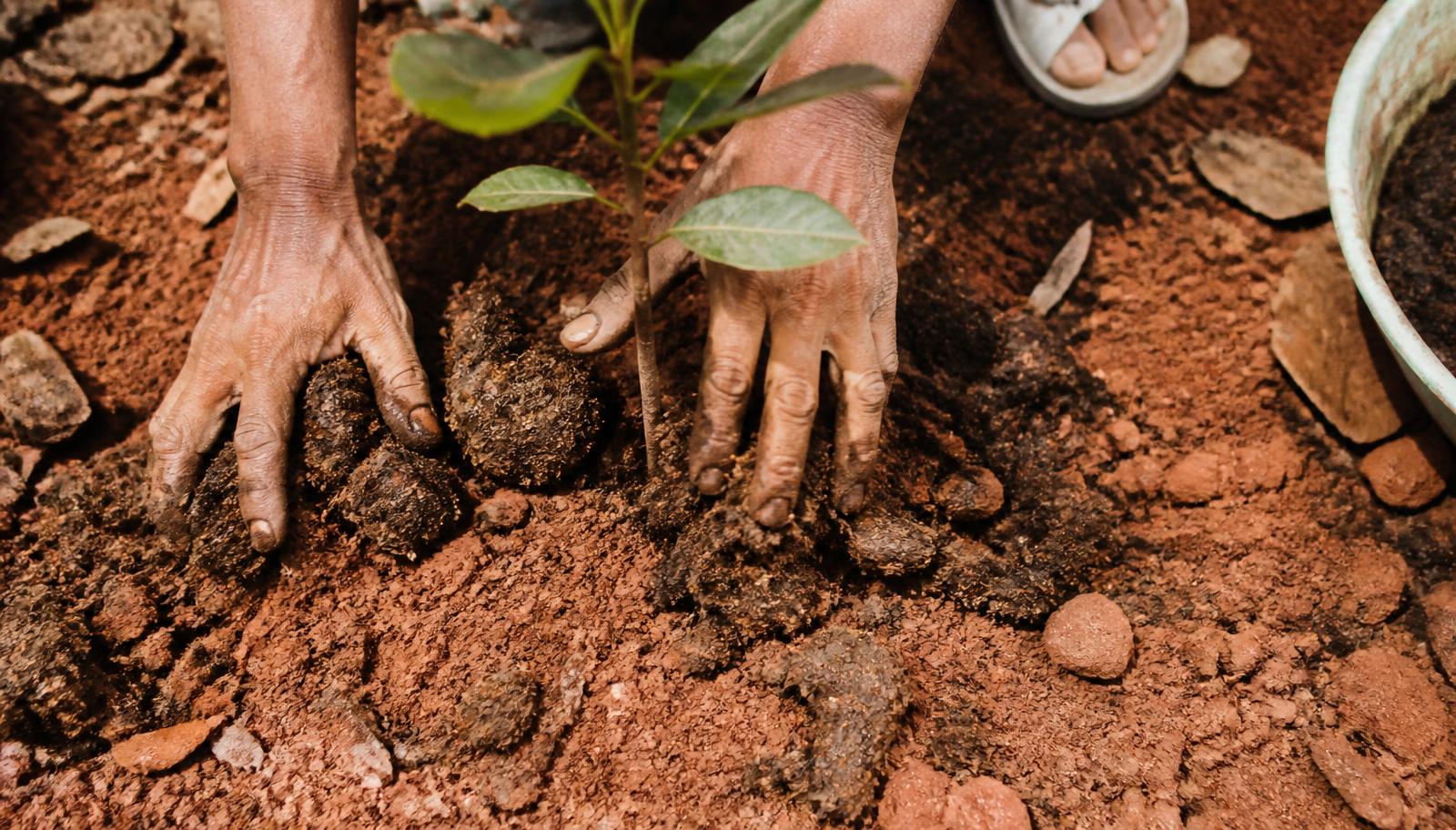
We cover the soil heavily with crop leftovers. This holds in moisture, keeps the soil cooler during 40°C afternoons, and slowly turns into rich organic matter. Under this cover, earthworms come back — a clear sign the soil is healthy again.
Farmyard compost and cow-based mixes feed the plants. No chemical fertiliser, no artificial growth boosters.
Keeping pests away without spraying
Neem-based sprays, careful pruning for airflow, and regular walks through the fields handle most problems. It is much easier to catch a problem early on a few plants than to treat it late across the whole farm.
We pick only after you order
We pick the fruit after your order comes in, not weeks ahead into cold storage. This one choice means we don't need wax coating or chemicals after harvest, and it is why the fruit reaches you tasting just like it did in the field.
What this way of farming costs us
It is slower. Yields are lower in the first years, and some fruit is not perfectly shaped. We think this is a fair trade for soil our children can still farm, and for fruit we are happy to give to our own family first.